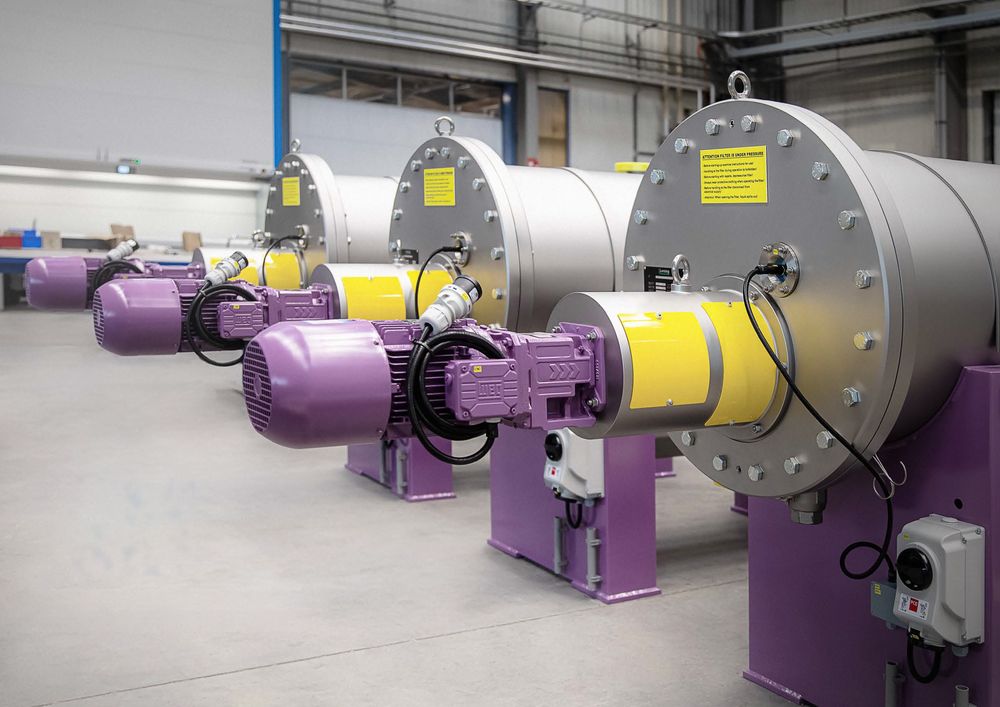
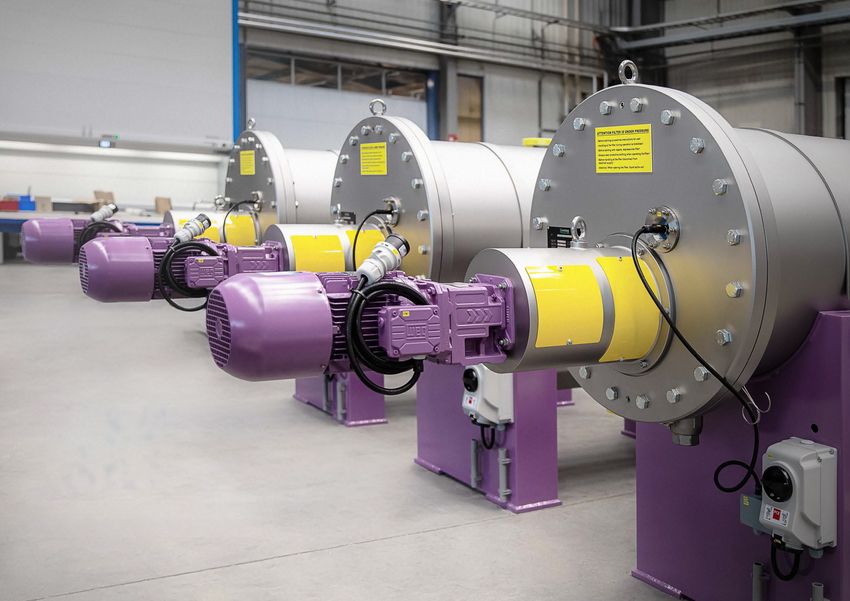
LENZING ViscoFils set up in a row in a hall
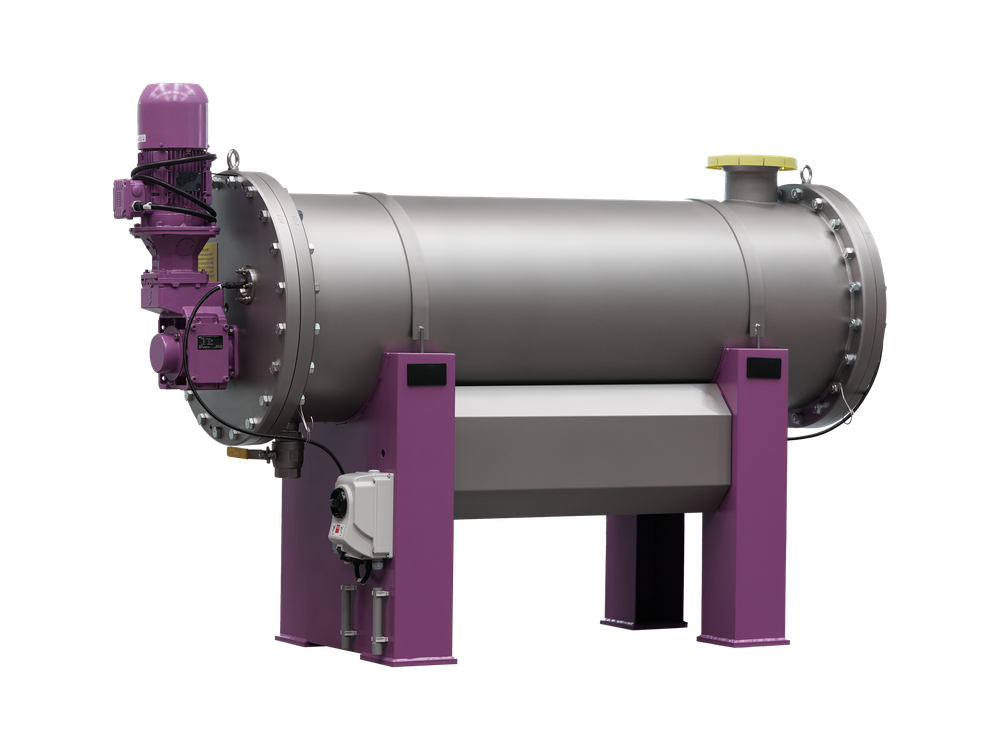
Shows the model of a ViscoFil-KKF-18 filter
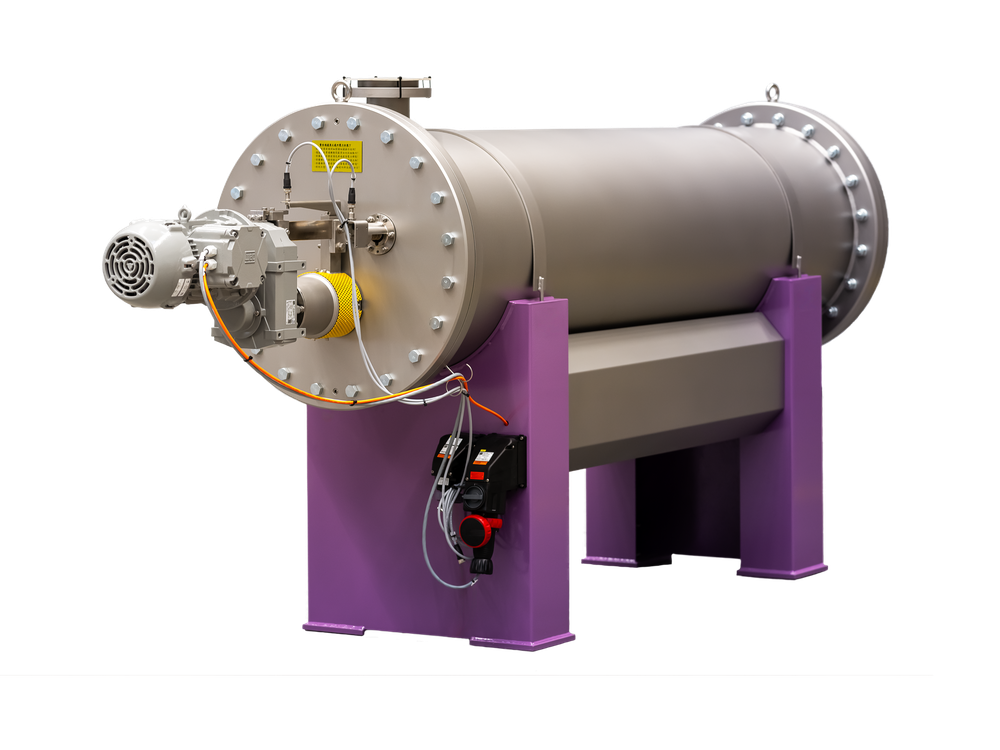
Shows the model of a ViscoFil-20 filter
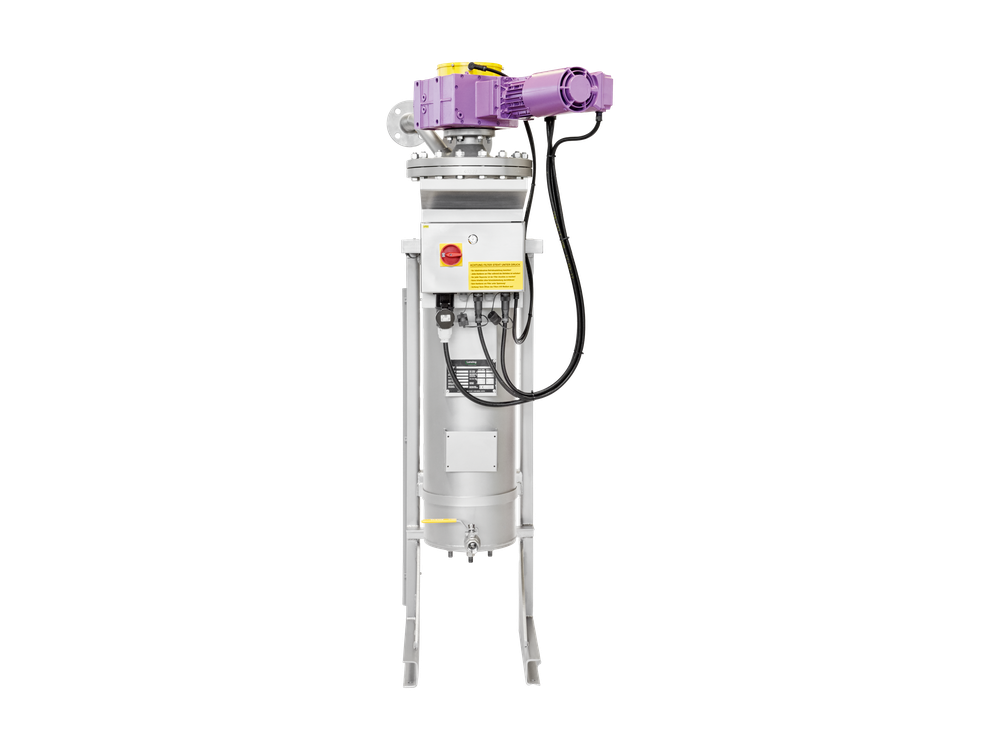
Shows the model of a ViscoFil-5 filter

LENZING ViscoFil

Proven. Permanent. Performance.


The LENZING ViscoFil system was developed for separating fine particles and soft gel particles from highly viscous fluids.

Its unique backwash mechanism enables the use of depth filter material with minimal backwash volumes and continuous filtration.

Advantages

Suitable for very high viscous fluids
Filter fineness down to 3 μm
Filtration of gel particles
Completely closed system

Inquire now

Functional principle

During the filtration phase, the backwash mechanism remains in standby mode. Filtration takes place from the inside to the outside. Once a preset differential pressure is reached (or after a timer has elapsed), automatic backwashing is triggered.

The backwash device moves from one end position to the opposite end position. The flow direction is reversed on a very small part of the filter surface. The higher the flow velocity, the more efficiently the particles are rinsed out of the filter material.

The sealing between unfiltrate and reject chamber enables lowest reject quantities.

Animated video

For detailed information on how LENZING ViscoFil works, please click on the video on the right.

We would be happy to explain the possible applications of LENZING ViscoFil in detail in a personal meeting.

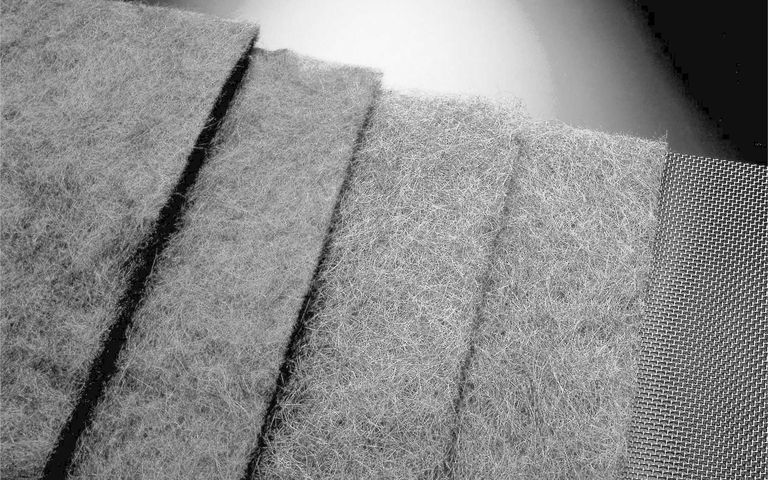
Shows stainless steel fiber fleece

Filter material

Stainless steel metal fiber fleece for depth filtration and separation of gel particles (3 µm) enables:

High dirt absorption capacity
Depth filtration for gel particles
Lowest initial differential pressure

Our unique manufacturing process ensures the best quality filter material with maximum porosity and the narrowest pore size distribution.

Timely backwashing prevents gel particles from penetrating too deeply into the filter material.

Similar to an egg being pushed through a bottle neck by differential pressure, the passage of a gel particle through a filter material does not occur abruptly but with a time delay.

To prevent penetration, you should also:

use a depth filter material,
apply low differential pressure and
use filter material that cannot be deformed by increasing differential pressure.

Multi-layer metal fiber fleece installed under pre-tensioning perfectly meets these requirements.

Further product information

The unique combination of backwash mechanism and manufacturing quality enables the use of depth filter materials for efficient separation of gel particles.

Different material designs and seals enable a wide range of uses in a variety of industries and applications.

  • Spinning and casting solutions: viscose,

    polyacrylics, polyimides, cellulose acetate, spandex, aramid

  • Resins, varnishes, petrochemical products, hot-melt adhesives, gelatin, honey

  • Carbon steel

  • Stainless steel 316 Ti/L (1.4404, 1.4571)

  • Special alloys on request

  • EPDM

  • Silicone

  • Buna

  • FPM (FKM) (flourorubber)

  • PTFE

FAQs and contact

Get personalized advice and contact us. The following FAQs will give you an initial insight into LENZING ViscoFil expertise.

Yes, the unique combination of backwash mechanism and manufacturing quality enables the use of depth filter materials for efficient separation of gel particles.

LENZING ViscoFil was specially developed for the filtration of highly viscous liquids between 5,000 cP and 200,000 cP.

Yes, LENZING ViscoFil-5 and LENZING ViscoFil-20 are available with approval for use in areas with explosive atmospheres.

The exact requirements for this are always determined on an application-specific basis together with our customers.

We use metal fiber fleece with a filter fineness of up to 3 µm for the filtration of highly viscous liquids and for the separation of gel particles.

Important to know:
Not every inflow can be filtered with the finest filter medium. The respective limit is determined by the fluid and the type and quantity of solids.

Innovation Flows

Interested in further solid-liquid filtration solutions made in Austria?